Preloader Close

16
Oct
The Complete Guide to Sustainability: Answering Every Question You've Asked
Introduction: Understanding Sustainability in Today's World
In an era where climate change, resource depletion, and social inequality dominate global conversations, the term "sustainability" has become more than just a buzzword—it's become a necessity. Whether you're a business leader, policy maker, student, or simply a conscious citizen, understanding sustainability is crucial for navigating our rapidly changing world.
This comprehensive guide addresses the most frequently asked questions about sustainability, providing you with clear, actionable insights based on current research and real-world applications, particularly in the Indian context.
What Do You Mean by Sustainability?
Sustainability is fundamentally about meeting the needs of the present without compromising the ability of future generations to meet their own needs. This definition, established by the United Nations Brundtland Commission in 1987, remains the gold standard for understanding sustainability.
In practical terms, sustainability means:
- Living within our means - Using resources at a rate that allows natural systems to replenish themselves
- Thinking long-term - Making decisions that consider impacts beyond immediate gains
- Balancing needs - Ensuring that economic progress doesn't come at the expense of environmental health or social equity
What is the Definition of Sustainability?
The formal definition of sustainability encompasses three core dimensions:
- Environmental Sustainability - Preserving natural capital and ecosystems
- Social Sustainability - Ensuring equity, justice, and community well-being
- Economic Sustainability - Maintaining viable economic systems that support prosperity
What Does Sustainability Mean in Business?
In the business context, sustainability refers to operating in a manner that:
- Minimizes negative environmental impacts
- Promotes social responsibility and employee welfare
- Ensures long-term economic viability
- Creates shared value for all stakeholders
Business sustainability is no longer optional—it's a competitive advantage. Companies that embrace sustainable practices often experience:
- Reduced operational costs through efficiency gains
- Enhanced brand reputation and customer loyalty
- Better access to capital and investment opportunities
- Improved risk management and regulatory compliance
The 5 Definitions of Sustainability
While sustainability is often viewed through different lenses, here are the five most recognized definitions:
1. Environmental Definition
"The capacity to endure" - Maintaining ecological balance and preserving natural resources for future generations.
2. Economic Definition
"Meeting present needs without compromising future economic prosperity" - Ensuring economic systems remain viable long-term.
3. Social Definition
"Promoting equity and justice across communities" - Creating inclusive societies where all individuals can thrive.
4. Corporate Definition
"Triple bottom line approach" - Balancing people, planet, and profit in business decision-making.
5. Global Definition
"Sustainable Development Goals (SDGs) framework" - The UN's 17 goals addressing global challenges from poverty to climate change.
What is a Simple Example of Sustainability?
Everyday Example: Rainwater Harvesting in Indian Homes
A simple yet powerful example of sustainability is rainwater harvesting, widely practiced across:
- Environmental Benefit: Reduces strain on groundwater resources and prevents urban flooding
- Economic Benefit: Lowers water bills and reduces dependence on municipal water supply
- Social Benefit: Ensures water security for communities, especially during drought periods
Business Example: Tata Group's Sustainability Initiatives
Tata Companies have implemented various sustainable practices:
- Solar power installations reducing carbon footprint
- Water conservation projects in manufacturing facilities
- Community development programs in rural areas
- Ethical supply chain management
The 4 Types of Sustainability: Understanding the Framework
Modern sustainability thinking has evolved beyond the traditional three pillars to include a fourth dimension:
1. Environmental Sustainability
Focus: Preserving natural capital and ecosystems
Key Elements:
- Climate change mitigation and adaptation
- Biodiversity conservation
- Resource efficiency and circular economy
- Pollution prevention and waste management
Indian Context:
- India's National Green Hydrogen Mission targeting 5 MMT production by 2030
- Solar capacity expansion under International Solar Alliance
- Plastic waste management rules and EPR implementation
2. Economic Sustainability
Focus: Ensuring long-term economic viability and shared prosperity
Key Elements:
- Sustainable growth models
- Financial stability and risk management
- Innovation and competitiveness
- Resource efficiency and cost optimization
Indian Context:
- Green bonds market growing to $2.3 billion in 2024
- SEBI's Business Responsibility and Sustainability Reporting (BRSR) mandate
- SME support through sustainability-linked financing
3. Social Sustainability
Focus: Promoting equity, justice, and community well-being
Key Elements:
- Human rights and labor standards
- Community development and engagement
- Health, safety, and education access
- Diversity, equity, and inclusion
Indian Context:
- Corporate Social Responsibility (CSR) mandate under Companies Act
- Skill development programs for rural communities
- Women empowerment initiatives in corporate India
4. Cultural Sustainability
Focus: Preserving cultural heritage and promoting local knowledge systems
Key Elements:
- Traditional knowledge preservation
- Cultural diversity and heritage protection
- Local community engagement
- Indigenous practices integration
Indian Context:
- Traditional agricultural practices revival
- Handicrafts and artisan support programs
- Indigenous knowledge in sustainability solutions
Sustainability Principles: The 4 Core Pillars
The 4 Principles of Sustainability
1. Ecological Integrity
Maintaining healthy ecosystems and biodiversity
Application:
- Protecting natural habitats and wildlife corridors
- Implementing regenerative agriculture practices
- Reducing carbon emissions and environmental footprint
2. Social Equity
Ensuring fair distribution of resources and opportunities
Application:
- Inclusive hiring and employment practices
- Community development and empowerment
- Access to basic services and infrastructure
3. Economic Efficiency
Optimizing resource use for long-term prosperity
Application:
- Circular economy models
- Resource efficiency and waste reduction
- Sustainable supply chain management
4. Intergenerational Responsibility
Considering impacts on future generations
Application:
- Long-term planning and decision-making
- Climate change mitigation strategies
- Sustainable resource management
Advanced Sustainability Frameworks
The 4 A's of Sustainability
- Awareness - Understanding sustainability challenges and opportunities
- Accountability - Taking responsibility for environmental and social impacts
- Action - Implementing concrete sustainability measures
- Assessment - Measuring and monitoring progress regularly
The 4 Circles of Sustainability
Based on the UN Global Compact's "Circles of Sustainability" model:
- Economics - Production, consumption, and distribution systems
- Ecology - Environmental protection and resource management
- Politics - Governance, justice, and regulatory frameworks
- Culture - Values, beliefs, and social practices
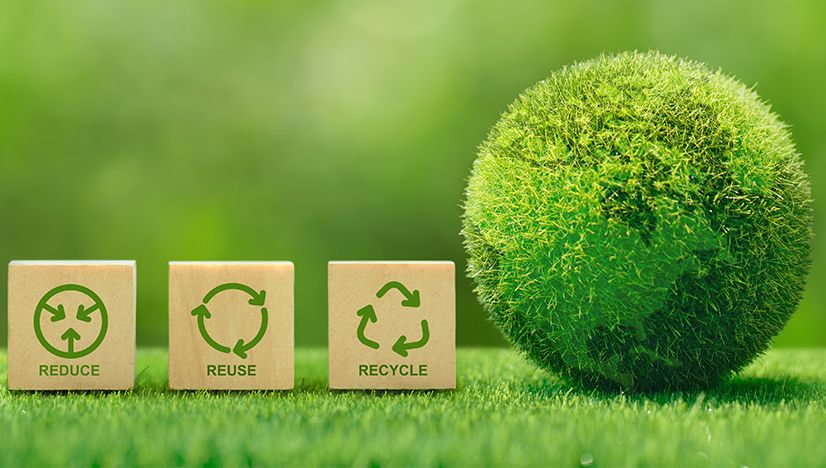
The 4 R's of Sustainability
- Reduce - Minimizing consumption and waste generation
- Reuse - Finding new applications for existing materials
- Recycle - Converting waste materials into new products
- Regenerate - Restoring and enhancing natural and social systems
The 5 C's of Sustainability
- Consumption - Mindful and responsible resource use
- Conservation - Protecting natural resources and biodiversity
- Community - Building strong, inclusive social networks
- Cooperation - Collaborating for collective action
- Continuity - Ensuring long-term viability and resilience
Focus Areas of Sustainability
What is the Focus of Sustainability?
The primary focus of sustainability encompasses:
Environmental Focus
- Climate Action: Reducing greenhouse gas emissions and building resilience
- Resource Management: Efficient use of water, energy, and materials
- Biodiversity Protection: Preserving ecosystems and species diversity
- Pollution Control: Minimizing air, water, and soil contamination
Social Focus
- Equity and Justice: Addressing inequality and promoting fairness
- Health and Well-being: Ensuring access to healthcare and safety
- Education and Skills: Building capacity for sustainable development
- Community Empowerment: Strengthening local governance and participation
Economic Focus
- Green Growth: Decoupling economic growth from environmental degradation
- Innovation: Developing sustainable technologies and business models
- Financial Inclusion: Ensuring access to sustainable financing
- Job Creation: Generating employment in green sectors
What is the Main Meaning of Sustainability?
The main meaning of sustainability centers on intergenerational equity - ensuring that current actions don't compromise future generations' ability to meet their needs. This involves:
- Systems thinking - Understanding interconnections between environmental, social, and economic systems
- Long-term perspective - Making decisions based on long-term consequences rather than short-term gains
- Stakeholder engagement - Including all affected parties in decision-making processes
- Continuous improvement - Regularly assessing and enhancing sustainability performance
India's Sustainability Focus
What is India's Focus on Sustainability?
India has emerged as a global leader in sustainability, with several key focus areas:
Climate Action
- Net-zero commitment by 2070
- Renewable energy target of 500 GW by 2030
- National Green Hydrogen Mission with 5 MMT production target
- Carbon Credit Trading Scheme (CCTS) launched in 2025
Circular Economy
- Extended Producer Responsibility (EPR) for plastic, e-waste, and batteries
- Waste-to-energy projects in major cities
- Digital waste tracking systems implementation
- Plastic waste management rules with strict compliance mechanisms
Social Development
- Sustainable Development Goals progress - ranked 99th globally in 2025
- Rural development through schemes like PM-KISAN and MGNREGA
- Digital inclusion through JAM (Jan Dhan-Aadhaar-Mobile) trinity
- Women empowerment through Self-Help Group movements
Economic Sustainability
- Green financing through sovereign green bonds
- ESG regulations through SEBI's BRSR framework
- Sustainable MSMEs support through dedicated schemes
- Green infrastructure investments in smart cities
The Main Goal of Sustainability
The overarching goal of sustainability is to create a world where:
- Environmental systems remain healthy and resilient
- Social systems are equitable and inclusive
- Economic systems are viable and just
- Future generations inherit a world of opportunity, not crisis
This involves transitioning to regenerative models that enhance rather than deplete natural and social capital.
Sustainability in Simple Terms
What is Sustainability in Simple Words?
Sustainability is about using resources wisely today so that future generations can also meet their needs.
Think of it like managing a family budget:
- You don't spend all your savings in one month
- You invest in things that will benefit your family long-term
- You consider the needs of your children and grandchildren
- You try to live within your means while improving your quality of life
What is Sustainable in One Word?
"ENDURING" - the ability to last and continue over time without causing harm.
What is a Simple Answer to Sustainability?
Sustainability means doing things in a way that can continue forever without running out of resources or causing damage to people or the planet.
What Word Best Describes Sustainability?
"BALANCE" - achieving harmony between human needs, environmental limits, and economic viability.
What is Sustainability Simply?
Sustainability is taking care of our planet and people while still allowing businesses and communities to prosper.
Which Defines Sustainability?
The most comprehensive definition comes from the concept of "regenerative development" - systems that not only avoid harm but actively restore and enhance environmental and social well-being.
Key Takeaways:
- Sustainability is holistic - It encompasses environmental, social, economic, and cultural dimensions
- Everyone has a role - From individual actions to corporate strategies to government policies
- It's about balance - Finding ways to prosper while protecting people and planet
- Long-term thinking is essential - Considering impacts beyond immediate gains
- Continuous improvement matters - Sustainability is a journey, not a destination
Start Your Sustainability Journey with SORT Consultancy
Ready to make real, measurable progress in sustainability? Connect with SORT Consultancy—your partner in waste management, EPR compliance, renewable energy, and ESG strategy. We help organizations of every size transition toward environmentally and socially responsible practices that drive long-term business success.
To learn more or begin your sustainability journey, contact SORT Consultancy today and let’s build a better, greener future—together.
Mail us your queries: info@sortconsultancy.com
-
 by Reetesh Maurya
Implementing Sustainability: Your Complete Action Guide for 2025
-
 by Reetesh Maurya
Green Hydrogen in India: Policy to Practice – A 2025 Market Report